Local Plumbing Solutions for Homes and Businesses — rapid dispatch for frozen pipe thawing, boiler heating repairs, water heaters, and emergency sewer clearing across Anchorage.
Anchorage balances coastal inlet air with sub-zero Chugach mountain freezes. The city's active seismic zone and freezing winter temperatures place extreme shear stress on aging underground sewer pipes and residential crawlspace plumbing.
Anchorage sits on glacial alluvium, silt, and Bootlegger Cove clay formations. Seasonal frost routinely penetrates 5 to 7 feet below grade. Minor seismic tremors occur regularly throughout the Anchorage basin, causing differential settlement that dislodges rigid pipe couplings and creates underground sewer offsets.
The Anchorage Water & Wastewater Utility (AWWU) delivers surface water from Eklutna Lake and Ship Creek to over 240,000 residents through thousands of miles of mains. In higher elevation neighborhoods such as the Upper Hillside, Glen Alps, and Rabbit Creek, properties rely heavily on private bedrock wells drilled up to 300 to 500 feet deep and on-site septic absorption fields.
From older midtown single-family homes to modern South Anchorage subdivisions and sprawling Hillside custom estates on private septic, Anchorage homeowners face a diverse combination of municipal utility connections and complex private well water systems.
Independent contractors in our network provide comprehensive residential and commercial services tailored to local infrastructure.
Transparent rate factors for residential and commercial plumbing service calls throughout Anchorage and Municipality of Anchorage.
Technicians based in Anchorage service both core urban streets and outlying rural districts. Standard diagnostic fees cover initial on-site evaluation, system testing, and itemized repair estimates.
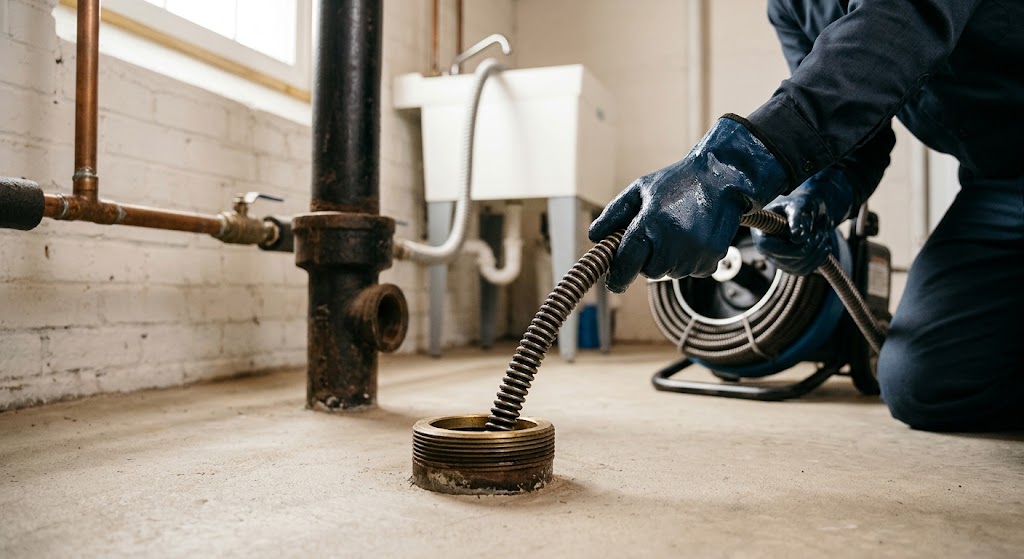
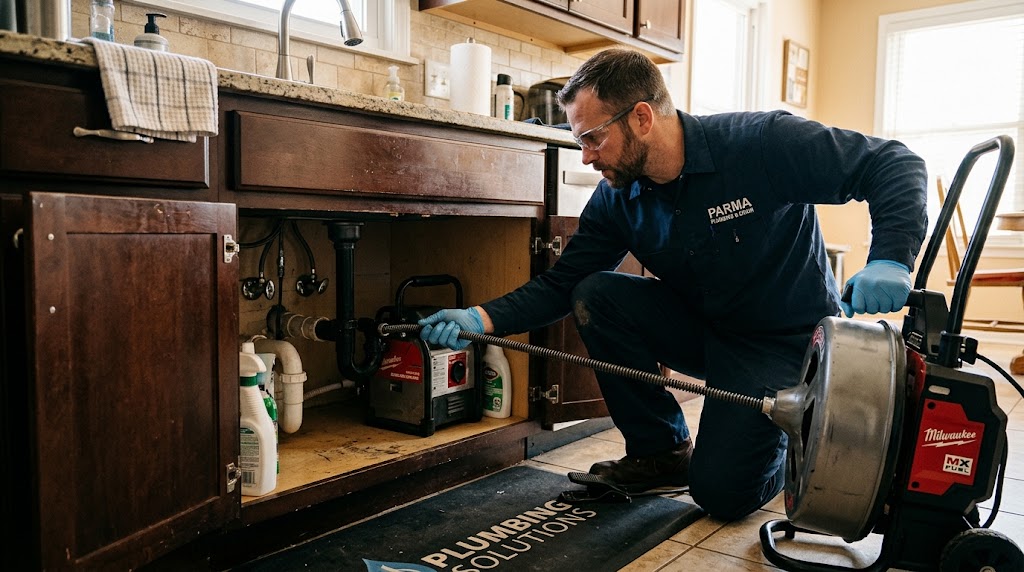
Commercial-grade electrical pipe thawers, hot-water jetting trailers, and fiber-optic sewer cameras are standard on local trucks to handle Anchorage's extreme winter soil conditions.
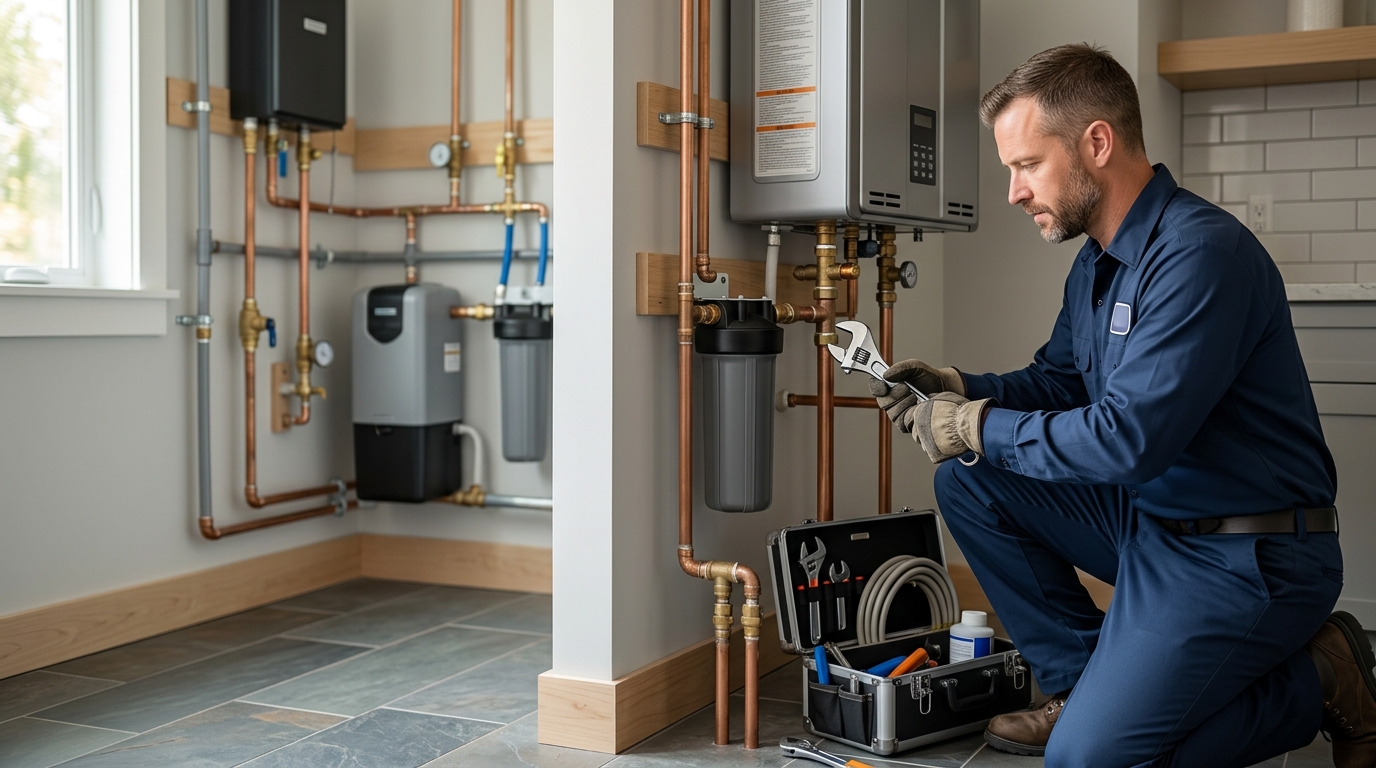
Repairs incorporate PEX-A expansion piping, commercial self-regulating heat trace cables, brass isolation valves, and heavy-duty insulation built to survive sub-zero cycles.
Stay ahead of severe freeze-thaw cycles and spring ground saturation across Municipality of Anchorage.
Plumbing requirements in Anchorage vary significantly between single-family residences, multi-family housing complexes, and commercial facilities. Commercial buildings — including restaurants, medical clinics, retail centers, and industrial facilities throughout Municipality of Anchorage — face rigorous backflow prevention mandates, high-capacity grease interceptor servicing, and high-demand commercial hot water loop maintenance.
For residential property owners, focus centers on crawlspace insulation, freeze-resistant piping retrofits, and reliable domestic hot water generation. Participating technicians in our referral network possess the commercial equipment and credentialed experience required to service both high-capacity commercial boilers and sensitive residential water systems.
In Anchorage, attempting amateur plumbing fixes during freezing weather frequently escalates a manageable repair into a structural catastrophe. Standard push-fit plastic fittings or amateur soldering in sub-zero wall cavities can fail under thermal contraction, discharging hundreds of gallons of water into insulation and floor joists.
Independent plumbing contractors in our network utilize arctic-proven PEX-A expansion systems, commercial brass compression valves, and heavy-duty closed-cell pipe insulation. By connecting through our central telephone dispatch line at (888) 205-7875, you ensure your Anchorage home or commercial building receives code-compliant workmanship engineered to withstand decades of Alaskan freeze-thaw cycles.
Common inquiries from Anchorage residents regarding winter plumbing, well maintenance, and emergency response.
Anchorage sits directly over an active subduction zone with frequent minor earthquakes. Combined with seasonal frost heave reaching 5 to 7 feet, rigid cast iron, orangeburg, and clay sewer lines experience shear stress at joint connections. This leads to cracked pipe walls, root intrusion, and sudden mainline blockages that require high-definition camera diagnosis and trenchless pipe relining.
Hillside properties frequently feature long private water runs traversing shallow bedrock or unheated crawlspace cantilevers. Technicians use commercial electro-thermal pipe thawers or internal hot water jetting tubes that melt ice plugs safely without the severe fire danger of open propane torches.
Because Anchorage municipal water is relatively low in mineral hardness compared to valley well water, conventional tank water heaters typically last 8 to 11 years. However, high winter demand caused by 36°F incoming intake water places heavy strain on electric elements and gas burner assemblies, requiring regular anode rod inspection.
Ensure foundation crawlspace vents are sealed with foil-faced insulation blocks by October 1st. Inspect self-regulating heat trace cables to verify they are drawing power, open vanity doors under sinks located on exterior walls during sub-zero inversions, and maintain indoor furnace thermostats at 65°F or higher.
Yes. Cured-in-place pipe (CIPP) lining and pipe bursting methods are approved under Municipality of Anchorage building regulations, provided work complies with MOA Title 23 amendments and is performed by licensed contractors.