Local Plumbing Solutions for Homes and Businesses — rapid dispatch for frozen pipe thawing, boiler heating repairs, water heaters, and emergency sewer clearing across Fairbanks.
Fairbanks endures brutal sub-arctic continental winters with temperatures routinely dropping to -40°F to -50°F. Frost penetrates 8 to 10 feet into the ground, and discontinuous permafrost creates complex foundation movement.
The Fairbanks basin is underlain by discontinuous permafrost — ice-rich silt deposits that thaw and collapse when disturbed. Foundations are often built on adjustable post-and-pad piers, requiring flexible plumbing connections that can accommodate seasonal foundation movement.
Golden Heart Utilities operates municipal water and sewer in central Fairbanks. Outside the core grid, thousands of homes rely on private water holding tanks (hauled water) or deep wells tapping the Tanana aquifer, utilizing insulated above-ground utilidors with continuous heat tracing.
In Fairbanks, plumbing is a critical life-safety concern. A boiler shutdown or frozen water main during a deep winter freeze can ruin an entire home's infrastructure within 24 to 48 hours without rapid intervention.
Independent contractors in our network provide comprehensive residential and commercial services tailored to local infrastructure.
Transparent rate factors for residential and commercial plumbing service calls throughout Fairbanks and Fairbanks North Star Borough.
Technicians based in Fairbanks service both core urban streets and outlying rural districts. Standard diagnostic fees cover initial on-site evaluation, system testing, and itemized repair estimates.
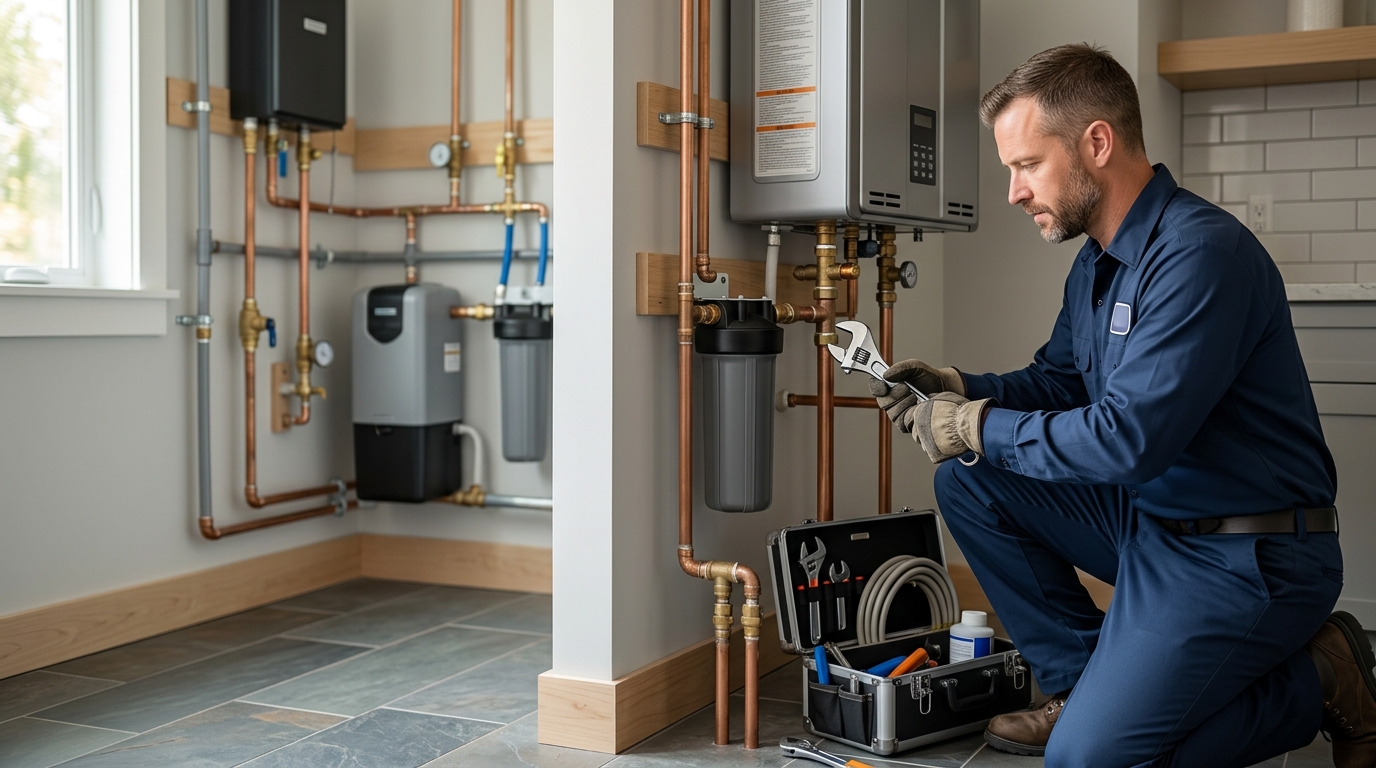
Commercial-grade electrical pipe thawers, hot-water jetting trailers, and fiber-optic sewer cameras are standard on local trucks to handle Fairbanks's extreme winter soil conditions.
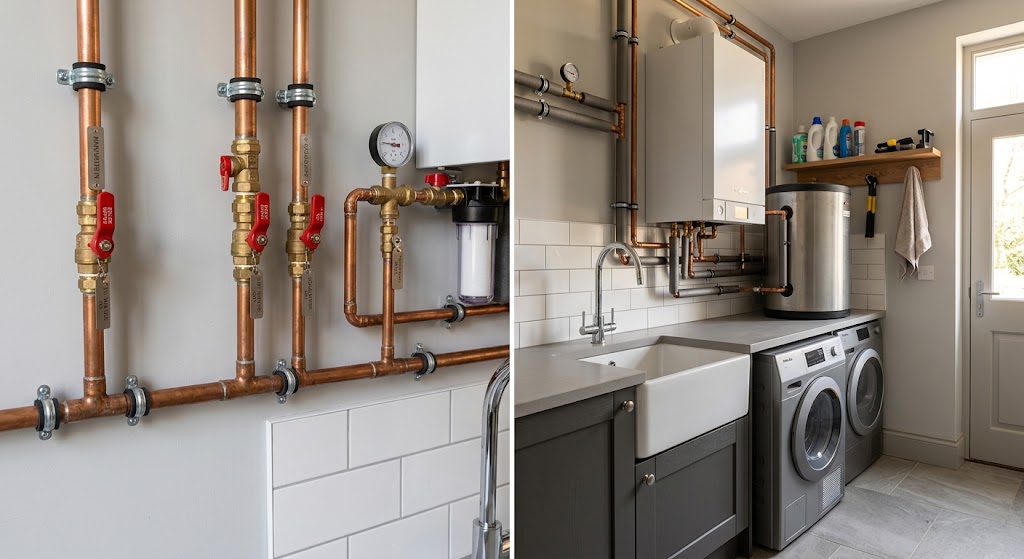
Repairs incorporate PEX-A expansion piping, commercial self-regulating heat trace cables, brass isolation valves, and heavy-duty insulation built to survive sub-zero cycles.
Stay ahead of severe freeze-thaw cycles and spring ground saturation across Fairbanks North Star Borough.
Plumbing requirements in Fairbanks vary significantly between single-family residences, multi-family housing complexes, and commercial facilities. Commercial buildings — including restaurants, medical clinics, retail centers, and industrial facilities throughout Fairbanks North Star Borough — face rigorous backflow prevention mandates, high-capacity grease interceptor servicing, and high-demand commercial hot water loop maintenance.
For residential property owners, focus centers on crawlspace insulation, freeze-resistant piping retrofits, and reliable domestic hot water generation. Participating technicians in our referral network possess the commercial equipment and credentialed experience required to service both high-capacity commercial boilers and sensitive residential water systems.
In Fairbanks, attempting amateur plumbing fixes during freezing weather frequently escalates a manageable repair into a structural catastrophe. Standard push-fit plastic fittings or amateur soldering in sub-zero wall cavities can fail under thermal contraction, discharging hundreds of gallons of water into insulation and floor joists.
Independent plumbing contractors in our network utilize arctic-proven PEX-A expansion systems, commercial brass compression valves, and heavy-duty closed-cell pipe insulation. By connecting through our central telephone dispatch line at (888) 205-7875, you ensure your Fairbanks home or commercial building receives code-compliant workmanship engineered to withstand decades of Alaskan freeze-thaw cycles.
Common inquiries from Fairbanks residents regarding winter plumbing, well maintenance, and emergency response.
Warm, moist air rising through plumbing roof vents condenses and freezes in -40°F weather, gradually forming a solid dome of hoarfrost that caps the vent. This prevents drain venting, causing sinks to glug and forcing toxic sewer gases into living quarters.
Plumbers connect high-amperage electrical resistance thawers to metallic pipe segments or feed specialized hot-water thawing tubes directly into plastic lines. Open flame torches are strictly avoided due to severe structure fire hazards.
If power fails during a -40°F inversion, pure water in heating baseboards freezes and ruptures within 4 hours. A 50/50 mix of virgin propylene glycol and water provides burst protection down to -50°F, preserving heating lines during outages.
Heat radiating from buried sewer pipes thaws surrounding permafrost, causing the pipe to belly, sag, and collect standing water that freezes solid. Plumbers install rigid insulated utilidors or structural supports to maintain grade.
Immediately shut off the pump breaker. A continuously running jet pump indicates a split discharge pipe, a frozen check valve, or a drained tank, which will burn out the pump impeller within minutes.