Immediate telephone dispatch for burst pipes, frozen water lines, sewer backups, and major heating failures in Anchorage and surrounding areas.
When cold snaps or sudden component failures strike, these situations require urgent professional attention.
When water freezes, it expands by approximately 9% with immense pressure, splitting copper, PEX, or PVC pipe walls. When temperatures rise, high-pressure water floods your property rapidly.
Raw sewage backing up into tubs, floor drains, or basement showers is a biohazard. Blockages caused by frozen ground frost heave or mainline clogs require immediate professional mechanical clearing.
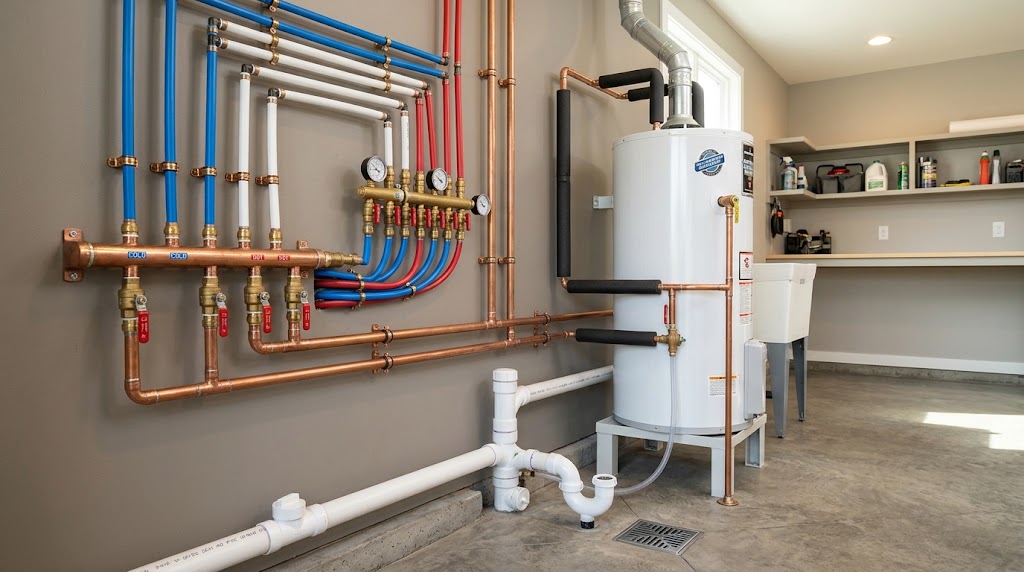
A ruptured 50-gallon water heater can empty hundreds of gallons into your utility room. Rapid tank replacement and valve isolation prevent structural collapse and mold growth.
In Anchorage and surrounding areas, a sudden loss of water pressure often indicates a failed well control box, frozen pressure switch, or burned-out submersible pump.
When a zone valve fails or baseboard lines freeze, your heating system shuts down. In sub-zero weather, heating restoration is critical to prevent house-wide pipe failures.
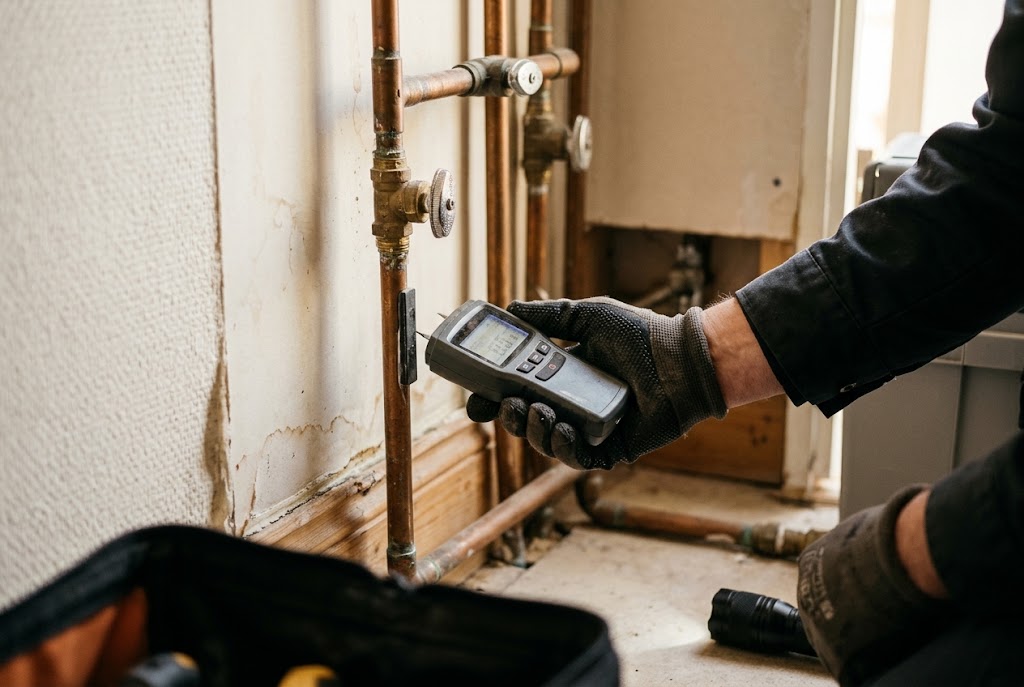
Hearing rushing water behind drywall or noticing sudden ceiling sagging requires urgent shutoff and acoustic leak detection before drywall and flooring collapse.
Commercial equipment deployed across Municipality of Anchorage to resolve sub-zero freeze failures safely.
For metallic copper and ductile iron pipes, technicians connect high-amperage, low-voltage cables to opposite ends of the frozen run. Current heats the entire pipe wall uniformly, liquefying the ice sleeve without open-flame hazards.
For PEX, polyethylene, and ABS sewer pipes that do not conduct electricity, technicians feed a thin, flexible jetter wand with a forward hot-water blast directly into the pipe, melting through the ice dam from the inside out.
Split copper or brittle PVC sections are cut out and replaced with high-density PEX-A piping. Using pro-grade expansion collars, connections form permanent watertight seals that tolerate repeated future freezing without splitting.
Follow these steps immediately to safeguard your Anchorage property and loved ones.
Locate the primary shutoff valve where the main line enters your home (near your water heater, pressure tank, or crawlspace entrance). Turn it clockwise until completely seated.
If water is pooling near electrical appliances, breaker boxes, or floor outlets, do not step into standing water. Switch off the relevant circuit breakers at your main panel if safe.
Open faucets on the lowest level of your home to release hydraulic pressure and drain residual water away from split pipe sections.
How to determine the urgency of your plumbing issue and what immediate precautions to take in Anchorage.
| Emergency Scenario | Potential Hourly Damage | Immediate Homeowner Action | Technician Triage Priority |
|---|---|---|---|
| Uncontrolled Burst Main (3/4" line) | 400 to 600 gallons/hr (,000+ structural drywall & flooring loss) | Shut off main gate valve or kill 240V well pump breaker immediately | Critical Code-Red (Immediate) |
| Hydronic Boiler Flameout / Freeze | Structural freeze within 4 to 12 hours at −20°F | Turn on secondary electric heaters; do not drain boiler loop | Critical Life-Safety |
| Main Sewer Lateral Backup | Raw sewage inundation (Class 3 biohazard water damage) | Cease all toilet flushing and water usage across the home | Immediate Same-Day |
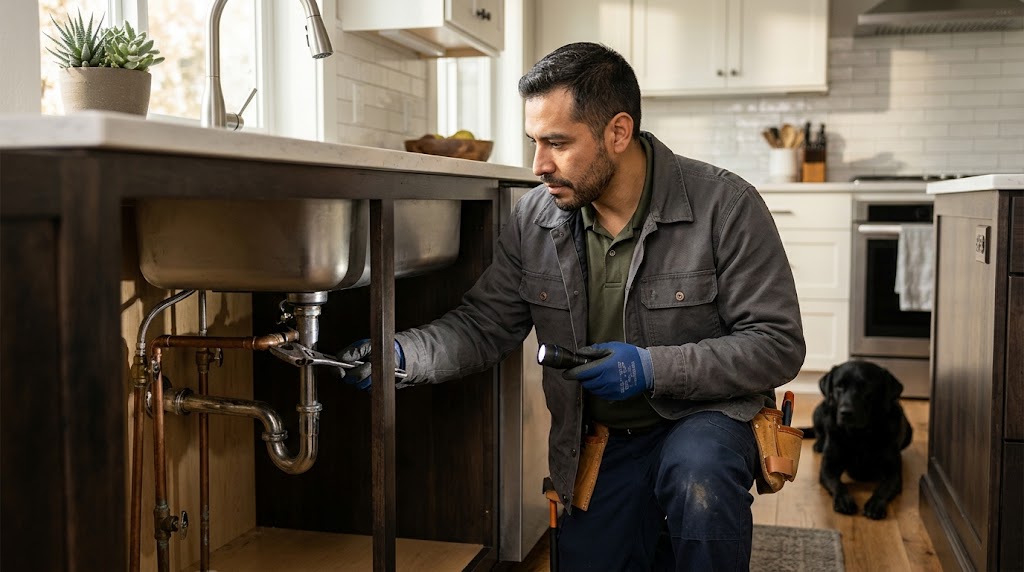
| Frozen Branch Line (No Flow) | High risk of longitudinal pipe split upon thawing | Open tap to relieve pressure; never apply propane blowtorch | Urgent Dispatch |
| Failed Water Heater Tank | 50 gallons standing water; electrical heating element burnout | Isolate cold intake valve; disconnect electrical breaker or gas feed | Same-Day Priority |
When you call our Anchorage dispatch line at (888) 205-7875, having specific details ready allows the dispatch coordinator to match you with a technician carrying the exact equipment needed:
Answers to urgent concerns during plumbing crises in Anchorage, AK.
You may place an electric ceramic space heater in an enclosed room or open under-sink cabinet, keeping it at least 3 feet away from combustible materials. Never leave space heaters unattended and never place electric space heaters in damp crawlspaces. Never use open flame torches or kerosene heaters indoors.
If your sewer line freezes, stop using all water immediately — including toilets, washing machines, and sinks. Every gallon drained will back up into the lowest fixture in your home. A plumber must use high-pressure hot water jetting through a cleanout port to thaw the ice blockage.
Most standard homeowners policies cover sudden and accidental water damage resulting from burst pipes, provided you maintained reasonable heat in the home (typically at least 55°F) or properly winterized the plumbing. Document the damage with photos immediately and call our dispatch line to have a licensed plumber repair the breach.
Response times depend on current highway conditions, active blizzard warnings, and contractor availability. When you call (888) 205-7875, our dispatch coordinators connect you with on-call independent contractors in Anchorage who prioritize active flooding and total heat-loss emergencies, providing estimated arrival times directly over the phone.
Pipes actually fracture when water freezes and expands into solid ice. However, the ice plug blocks water flow like a cork. As indoor temperatures rise or outdoor weather warms, the ice plug melts, allowing full line water pressure (40 to 60 PSI) to rush through the split pipe wall, creating sudden, violent flooding.
Immediate steps to minimize structural damages and protect personal property while the technician travels to your location.
Turn the main incoming water valve fully clockwise. If on a private well in Municipality of Anchorage, shut off the 240V well pump breaker immediately.
Open cold taps on the lowest level to drain standing water from supply risers, relieving outward pressure on damaged pipe joints.
Clear snow or ice from your driveway, crawlspace entrance, or utility room door so technicians can rapidly wheel heavy thawing machinery inside.
Take high-resolution photos and video of spraying water, water pooling depths, and damaged flooring before water removal starts.