Statewide Service Directory
Comprehensive Alaska Plumbing Services
From arctic freeze thawing to commercial drain snaking, connect with independent plumbing professionals equipped with the specialized tools demanded by Alaska conditions.
From arctic freeze thawing to commercial drain snaking, connect with independent plumbing professionals equipped with the specialized tools demanded by Alaska conditions.
Built specifically for sub-zero weather, deep frost penetration, and private well water systems across Alaska.

Rapid thawing of frozen supply lines and sewer drains using safe, non-invasive electrical and steam equipment. Complete pipe replacement if bursting has already occurred.
Learn More →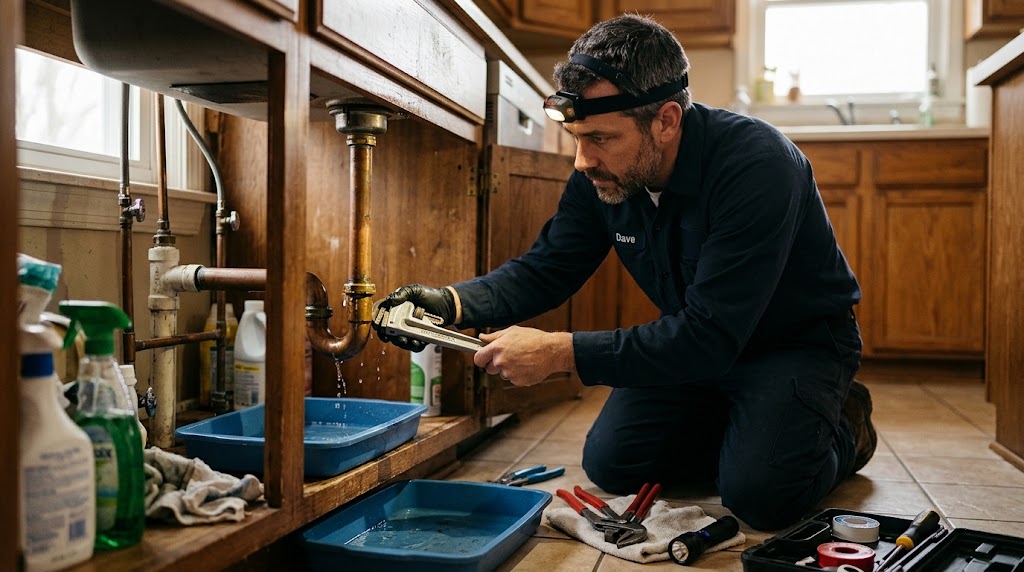
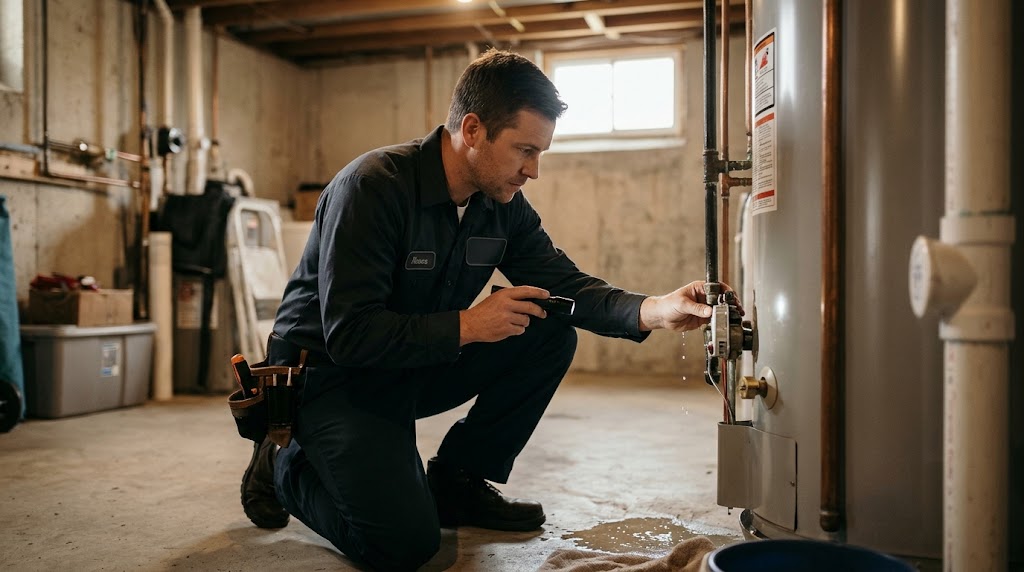
Restoring hot water in frigid temperatures. Repair and replacement of high-efficiency gas, electric, and tankless on-demand water heaters sized for arctic incoming groundwater.
Learn More →
Clearing tough kitchen grease, laundry blockages, and main building sewer backups. Video camera pipe inspection pinpoints root intrusion, sag, and ice dams.
Learn More →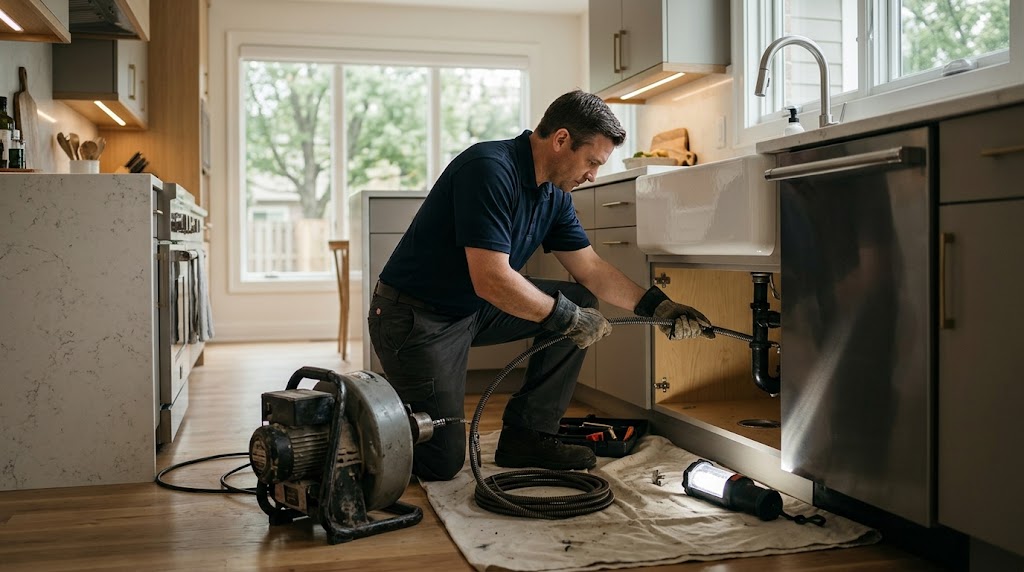
Underground sewer repairs designed to handle frost heave and ground settlement. Trenchless pipe lining and traditional excavation for damaged residential mains.
Learn More →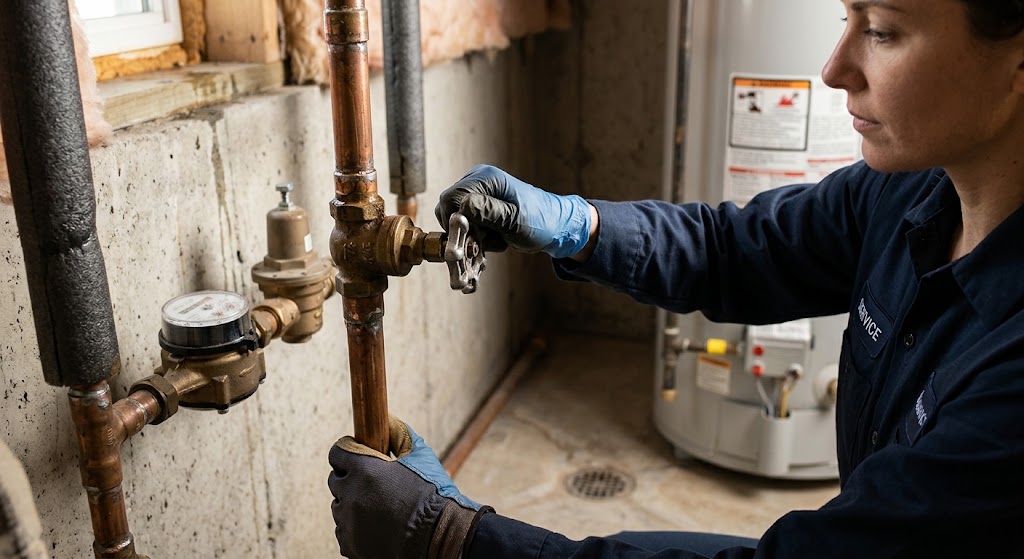
Specialized service for Mat-Su Valley and Kenai Peninsula private well systems. Submersible pump diagnostic, pressure switch adjustment, and cold-weather tank insulation.
Learn More →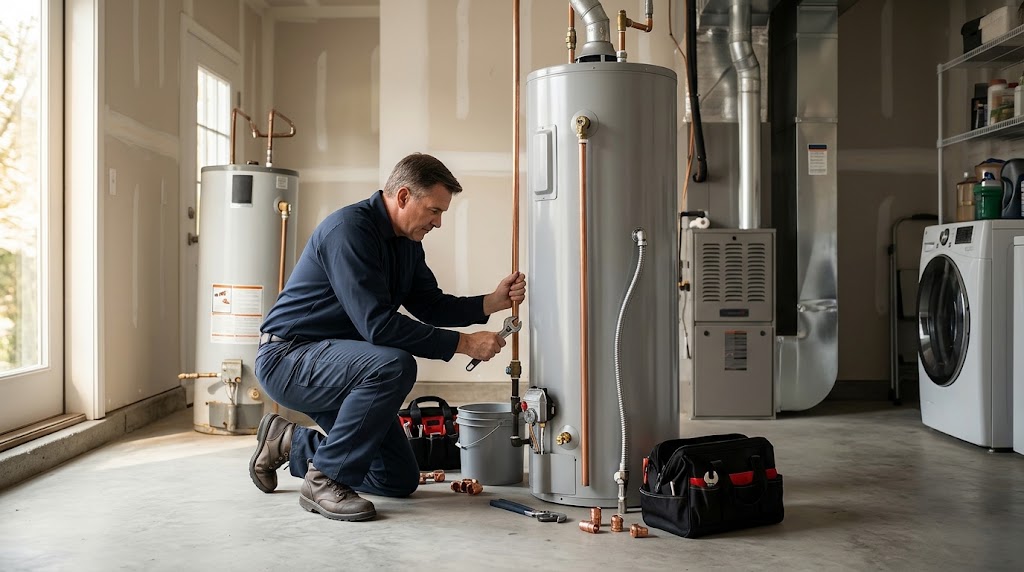
In Alaska, plumbing and home heating are closely intertwined. Technicians service boiler circulation loops, zone valves, expansion tanks, and glycol-filled hydronic pipes.
Learn More →Explore the technical capabilities and diagnostic procedures performed by independent plumbing technicians in our Alaska network.
In sub-zero temperatures, water lines traversing exterior walls, unheated crawlspaces, or cantilevers freeze rapidly. Professional technicians employ commercial 300-to-500-amp electro-thermal thawing machines for metallic copper lines, passing controlled low-voltage current that safely heats the pipe uniformly without open flames.
For modern PEX, polyethylene, or ABS sewer leads, technicians use pressurized steam or hot water jetting wands inserted directly into the line. If lines have already fractured, technicians perform clean surgical cutouts, replacing split sections with freeze-tolerant PEX-A pipe rated for extreme expansion and installing self-regulating heat trace cables with thermostat controls.
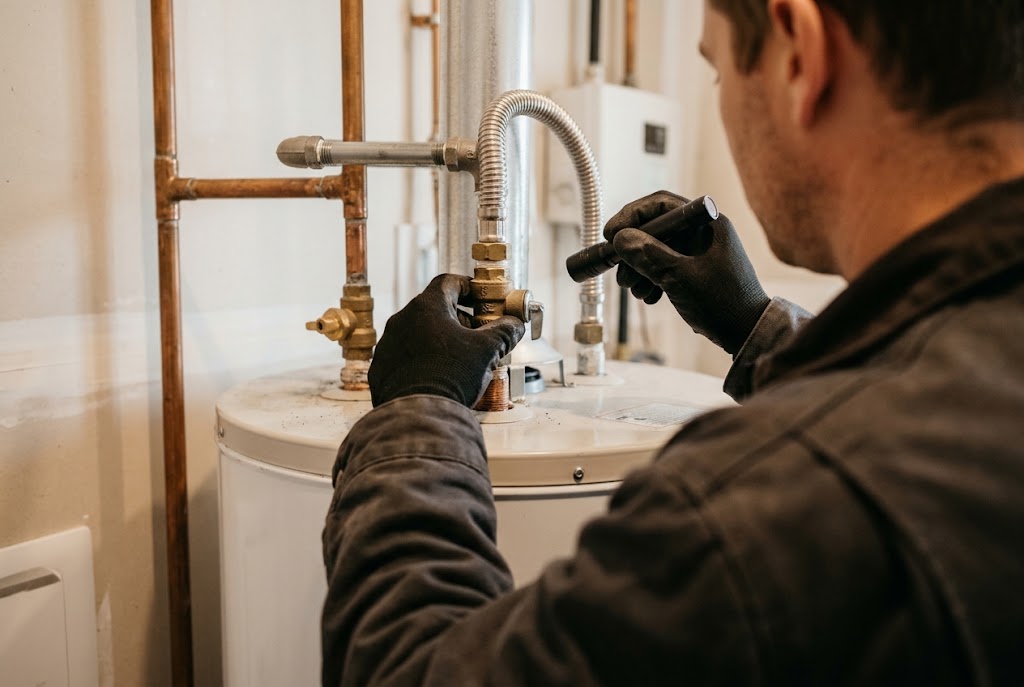
Alaska water heaters face unique physics: groundwater entering homes in mid-winter routinely registers at 34°F to 38°F. Heating that water to standard 120°F requires an 82°F to 86°F temperature rise — more than double the thermal workload required in southern states.
Technicians service conventional atmospheric gas, power-vent, electric hybrid, and tankless on-demand units. When installing tankless systems in Alaska, sizing must account for steep winter temperature delta, often requiring cascading multiple high-BTU condensing units to maintain adequate gallon-per-minute flow.
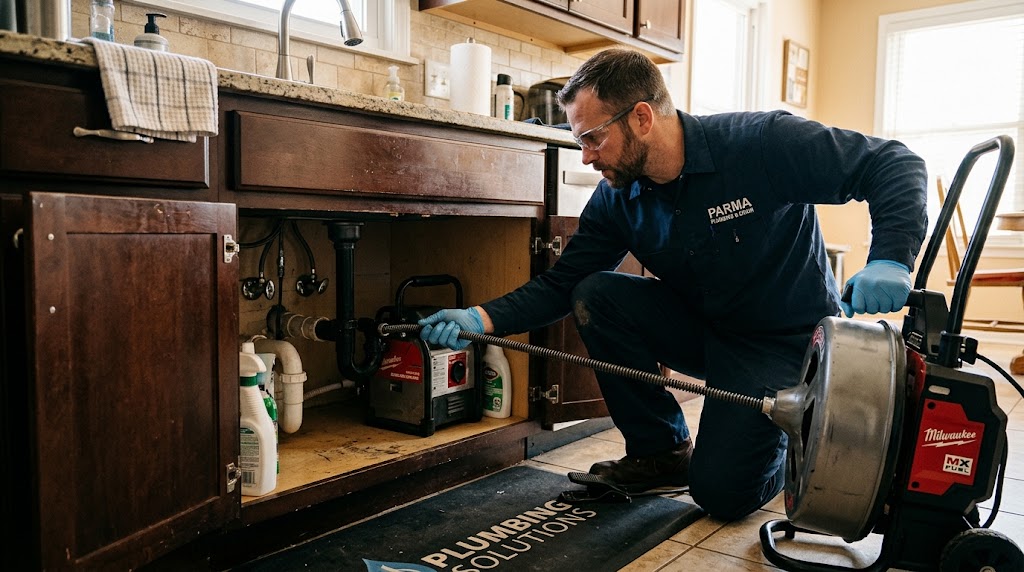
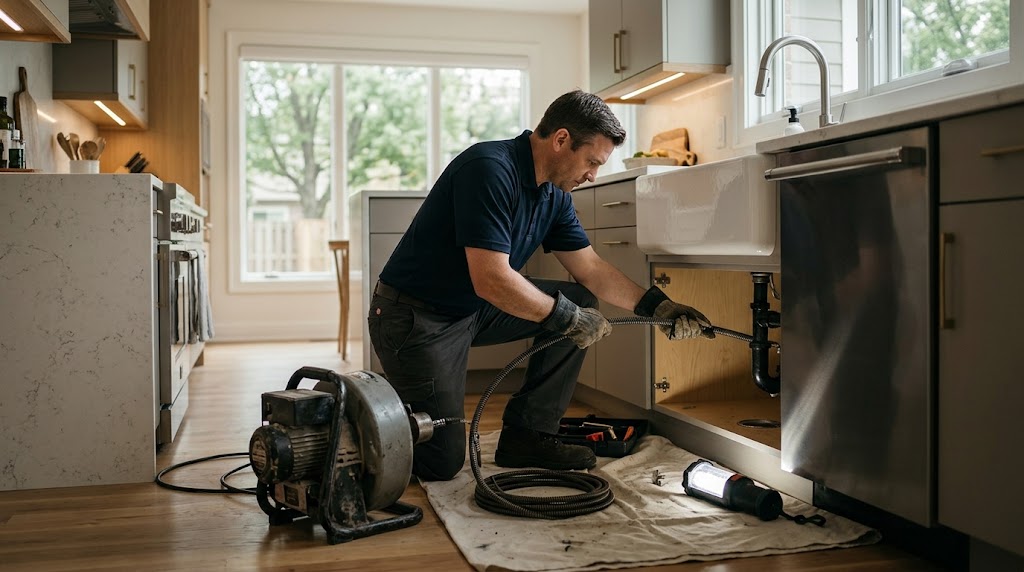
Cooking grease, soap residue, and bathroom waste congeal rapidly when entering cold drain pipes in Alaska's frozen soils. Standard mechanical drain snakes often punch only a temporary pencil-sized hole through congealed grease or ice, leading to recurring backups within days.
Commercial hydro-jetters deliver water pressurized up to 4,000 PSI at 12 to 18 gallons per minute through specialized forward-cutting and rear-propelling nozzles. When equipped with hot water burners, hydro-jetters effortlessly scour congealed fats, cut stubborn tree roots, and liquefy sewer line ice dams without damaging pipe walls.
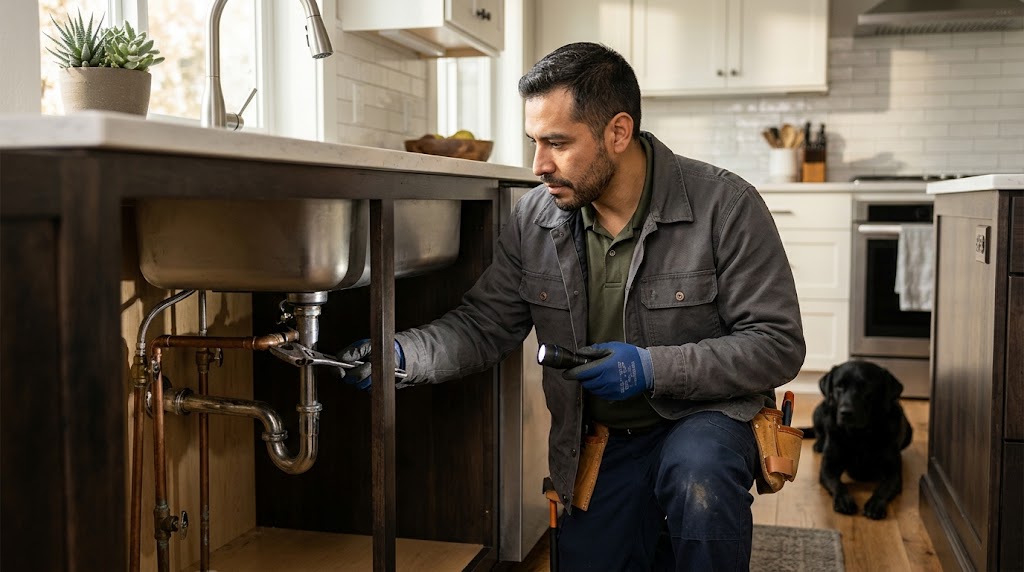
Beyond municipal utility connections, thousands of Alaskan homes throughout the Mat-Su Valley, Kenai Peninsula, and Interior depend on private deep groundwater wells and hydronic baseboard heating loops. When these systems fail, property owners face immediate water and heat loss.
Technicians diagnose deep-well submersible pumps, 240V control boxes, pressure switches, and captive-air bladder tanks. On heating systems, technicians purge airlocks, balance zone valves, test circulator pumps, and verify that hydronic closed loops maintain proper 50/50 propylene glycol concentration down to −50°F.
Recognizing the subtle warning signs of ice formation allows you to act before an catastrophic pipe split occurs.
When water flow slows to a weak trickle specifically from faucets located on exterior walls, an ice dam has begun adhering to inner pipe walls, choking off flow.
Hydrostatic pressure built up behind an advancing ice plug forces hydraulic shocks through pipe hangers, producing loud metallic clangs when opening or closing taps.
Visible hoarfrost or condensation coating copper or PEX tubing in unheated basements indicates thermal insulation has failed and internal water is nearing solid ice state.
Because toilet supply lines are often routed through cold exterior walls or drafty subfloors, failure of the tank to refill is often the very first sign of an impending house freeze.
If your boiler water pressure gauge drops below 12 PSI or spikes above 25 PSI during sub-zero cold, a hydronic baseboard loop has frozen, blocking natural thermal expansion.
Hoarfrost capping roof vent pipes creates negative vacuum in plumbing lines, siphoning water out of fixture P-traps and allowing dangerous sewer gases to escape into bathrooms.
How professional technicians identify, diagnose, and resolve complex plumbing failures across Alaska.
| Plumbing Issue | Common Symptoms | Diagnostic Equipment | Standard Resolution | Urgency Level |
|---|---|---|---|---|
| Crawlspace Freeze-Up | Zero water flow, clanking sounds, bulging pipes | FLIR thermal imaging & contact resistance meters | Electro-thermal thawing, PEX reconstruction, new heat trace | Critical (Call Now) |
| Sewer Main Backup | Multiple fixtures backing up, gurgling toilets, foul odor | Self-leveling color video camera & 512Hz sonde locator | Heated commercial hydro-jetting, root cutting, trenchless CIPP | Critical (Call Now) |
| Water Heater Burnout | Lukewarm showers, popping noises, rusty hot water | Digital multimeter, combustion analyzer, pressure gauge | Element/thermostat replacement, tank sediment flush, or new unit | Same-Day Priority |
| Well Pump Pressure Drop | Pumping cycles rapidly, sputtering taps, low pressure | Capacitor tester, amp clamp, air pressure gauge | Pressure switch replacement, bladder tank swap, pump replacement | Same-Day Priority |
| Boiler Loop Freeze | Cold baseboard sections while burner runs continuously | Ultrasonic flow meter & optical refractometer | Air purging, zone valve replacement, 50% glycol recharge | Critical (Call Now) |
| Hidden Slab Leak | Unexplained high water bill, warm spots on flooring | Acoustic ground microphones & helium gas tracer | Non-invasive pinpoint localization, bypass reroute or spot repair | Priority Service |
Detailed answers regarding repair methods, dispatch capabilities, and equipment across Alaska.
PEX-A (cross-linked polyethylene manufactured using the Engel method) is universally considered the premier material for Alaska water lines. PEX-A has thermal elastic memory, allowing it to expand up to 300% of its normal diameter when water inside freezes, then return to its original shape upon thawing without splitting. In contrast, rigid copper and CPVC have near-zero elasticity and rupture almost instantaneously upon freezing.
A mechanical drain snake utilizes a rotating steel cable with a small cutter head. While effective for retrieving hair or breaking through soft toilet clogs, it merely bores a small hole through solid grease, scale, or ice, leaving heavy residue coating pipe walls. Hydro-jetting uses 3,500 to 4,000 PSI hot water to completely scrub pipe walls to 360-degree bare plastic or metal, removing all grease, mineral buildup, and tree roots.
Yes, but sizing is critical. Tankless flow rates are governed by temperature delta (the difference between incoming cold water and desired hot water temperature). With incoming winter groundwater at 35°F, achieving 120°F water requires an 85°F temperature rise. A unit rated for 9 GPM in mild climates may only deliver 3.5 to 4.2 GPM in Alaska. For whole-home comfort, technicians often install high-BTU condensing units or paired cascaded systems.
Electrical resistance thawing requires a complete electrical circuit, meaning both ends of a conductive metallic pipe (like copper or iron) must be connected to heavy electrical cables. Most modern sewer pipes are composed of non-conductive ABS or PVC plastic. Passing electrical current through plastic is impossible. Pressurized steam or hot-water jetting wands melt the ice plug directly from the inside without requiring electrical conductivity.
Technicians use specialized high-definition fiber-optic sewer cameras equipped with a 512Hz electromagnetic transmitter sonde in the camera head. As the camera travels through the pipe, a technician above ground uses an electromagnetic receiver wand to pinpoint the exact location and burial depth (down to the inch), avoiding needless excavation of frozen yards.
The three most frequent causes are: (1) air binding, where air pockets collect at the highest point of baseboard fin tubes, stopping convective water flow; (2) a failed motorized zone valve that remains stuck closed; and (3) an ice lock in an uninsulated wall cavity, where cold drafts freeze the copper pipe during an atmospheric inversion, stopping circulation entirely.